Peru, located in South America, is a vibrant country with a rich and diverse culture
influenced by its ethnic diversity, colonial past, and local traditions. This cultural
richness is reflected in many aspects of daily life, such as clothing, food, arts and
crafts, music and dance, and the growing film industry. Here’s an overview of these
elements:
 Traditional Clothing and Attire:
Traditional Peruvian clothing is a vivid expression of the country’s cultural heritage,
particularly influenced by the indigenous Quechua and Aymara peoples. One of the most
recognizable garments is the poncho, a woolen cloak worn by men in the highlands to protect
against the harsh mountain climate. Women often wear polleras, brightly colored skirts that are
layered for warmth and style, combined with intricately woven llicllas (shawls) draped over
their shoulders. The chullo, a hand-knit hat with earflaps, is also iconic, offering protection
from the cold while featuring patterns that reflect the wearer’s region. Clothing in Peru isn’t
just functional; it serves as a cultural marker, with different regions boasting distinct
styles, patterns, and colors. Many of these garments are made from alpaca or vicuña wool, both
prized for their warmth and softness. Peruvians take pride in their textiles, with weaving
techniques passed down through generations, keeping ancient traditions alive.
Traditional Clothing and Attire:
Traditional Peruvian clothing is a vivid expression of the country’s cultural heritage,
particularly influenced by the indigenous Quechua and Aymara peoples. One of the most
recognizable garments is the poncho, a woolen cloak worn by men in the highlands to protect
against the harsh mountain climate. Women often wear polleras, brightly colored skirts that are
layered for warmth and style, combined with intricately woven llicllas (shawls) draped over
their shoulders. The chullo, a hand-knit hat with earflaps, is also iconic, offering protection
from the cold while featuring patterns that reflect the wearer’s region. Clothing in Peru isn’t
just functional; it serves as a cultural marker, with different regions boasting distinct
styles, patterns, and colors. Many of these garments are made from alpaca or vicuña wool, both
prized for their warmth and softness. Peruvians take pride in their textiles, with weaving
techniques passed down through generations, keeping ancient traditions alive.
 Language and Literature:
Peru’s linguistic landscape is a testament to its rich and diverse cultural history. While
Spanish is the dominant language, Peru is unique in officially recognizing Quechua and Aymara,
the languages of its indigenous peoples, spoken predominantly in the Andean regions. These
ancient languages play a significant role in preserving the country’s indigenous heritage and
are reflected in various aspects of Peruvian culture, including literature. Peruvian literature
is internationally acclaimed, with Mario Vargas Llosa, one of the country’s most celebrated
authors, winning the Nobel Prize in Literature in 2010. His works often explore themes of power,
corruption, and the struggles of modern society. Going further back, Inca Garcilaso de la Vega,
a mestizo writer, is one of the earliest and most important literary figures in Peruvian
history. His writings from the 16th century provide valuable insight into the Inca civilization,
blending indigenous and Spanish perspectives. Peru's literary tradition is thus a rich blend of
indigenous oral histories and European influences, evolving over centuries.
Language and Literature:
Peru’s linguistic landscape is a testament to its rich and diverse cultural history. While
Spanish is the dominant language, Peru is unique in officially recognizing Quechua and Aymara,
the languages of its indigenous peoples, spoken predominantly in the Andean regions. These
ancient languages play a significant role in preserving the country’s indigenous heritage and
are reflected in various aspects of Peruvian culture, including literature. Peruvian literature
is internationally acclaimed, with Mario Vargas Llosa, one of the country’s most celebrated
authors, winning the Nobel Prize in Literature in 2010. His works often explore themes of power,
corruption, and the struggles of modern society. Going further back, Inca Garcilaso de la Vega,
a mestizo writer, is one of the earliest and most important literary figures in Peruvian
history. His writings from the 16th century provide valuable insight into the Inca civilization,
blending indigenous and Spanish perspectives. Peru's literary tradition is thus a rich blend of
indigenous oral histories and European influences, evolving over centuries.
 Music and Dance:
Peruvian music and dance are as diverse as the country’s geography, ranging from the highland
rhythms of the Andes to the vibrant beats of the coast. Traditional Andean music is
characterized by instruments like the charango (a small guitar made from the shell of an
armadillo), zampona (panpipes), and quena (a type of flute). These instruments produce haunting
melodies that evoke the spiritual and historical depths of the Andean region. Coastal music, by
contrast, has a lively, rhythmic beat, heavily influenced by African and Spanish cultures. One
of the most popular dances is the Marinera, a flirtatious dance representing courtship, often
accompanied by guitar and drums. Huayno music, deeply rooted in the highlands, is another
traditional genre that blends indigenous and European influences, often performed during
festivals and social gatherings. Additionally, the Scissors Dance is a famous Andean
performance, marked by intricate footwork and symbolic movements that tell a story of cosmic
dualities, such as good versus evil. Music and dance in Peru serve not only as entertainment but
as vital expressions of cultural identity and historical memory.
Music and Dance:
Peruvian music and dance are as diverse as the country’s geography, ranging from the highland
rhythms of the Andes to the vibrant beats of the coast. Traditional Andean music is
characterized by instruments like the charango (a small guitar made from the shell of an
armadillo), zampona (panpipes), and quena (a type of flute). These instruments produce haunting
melodies that evoke the spiritual and historical depths of the Andean region. Coastal music, by
contrast, has a lively, rhythmic beat, heavily influenced by African and Spanish cultures. One
of the most popular dances is the Marinera, a flirtatious dance representing courtship, often
accompanied by guitar and drums. Huayno music, deeply rooted in the highlands, is another
traditional genre that blends indigenous and European influences, often performed during
festivals and social gatherings. Additionally, the Scissors Dance is a famous Andean
performance, marked by intricate footwork and symbolic movements that tell a story of cosmic
dualities, such as good versus evil. Music and dance in Peru serve not only as entertainment but
as vital expressions of cultural identity and historical memory.
 Ceremonies and Festivals:
Peruvian festivals are vibrant displays of the country’s cultural and religious syncretism,
where indigenous traditions are often blended with Catholicism. One of the most important
celebrations is Inti Raymi, the Festival of the Sun, which takes place every June in Cusco to
honor the Inca sun god, Inti. This grand reenactment of ancient Inca rituals includes colorful
processions, traditional music, and dramatic performances that transport spectators back to the
time of the Inca Empire. Another significant festival is the Fiesta de la Candelaria, celebrated
in the city of Puno on the shores of Lake Titicaca. This festival combines Catholic and
indigenous practices in honor of the Virgin of Candelaria and features elaborate costumes,
music, and dance, making it one of the largest and most spectacular events in South America.
Similarly, Corpus Christi in Cusco is a fusion of indigenous and Christian beliefs, where large
statues of saints and the Virgin Mary are paraded through the streets in a grand procession.
These festivals are not just religious occasions but also vital expressions of local identity,
bringing communities together in celebration of their shared heritage.
Ceremonies and Festivals:
Peruvian festivals are vibrant displays of the country’s cultural and religious syncretism,
where indigenous traditions are often blended with Catholicism. One of the most important
celebrations is Inti Raymi, the Festival of the Sun, which takes place every June in Cusco to
honor the Inca sun god, Inti. This grand reenactment of ancient Inca rituals includes colorful
processions, traditional music, and dramatic performances that transport spectators back to the
time of the Inca Empire. Another significant festival is the Fiesta de la Candelaria, celebrated
in the city of Puno on the shores of Lake Titicaca. This festival combines Catholic and
indigenous practices in honor of the Virgin of Candelaria and features elaborate costumes,
music, and dance, making it one of the largest and most spectacular events in South America.
Similarly, Corpus Christi in Cusco is a fusion of indigenous and Christian beliefs, where large
statues of saints and the Virgin Mary are paraded through the streets in a grand procession.
These festivals are not just religious occasions but also vital expressions of local identity,
bringing communities together in celebration of their shared heritage.
Peru Clothing
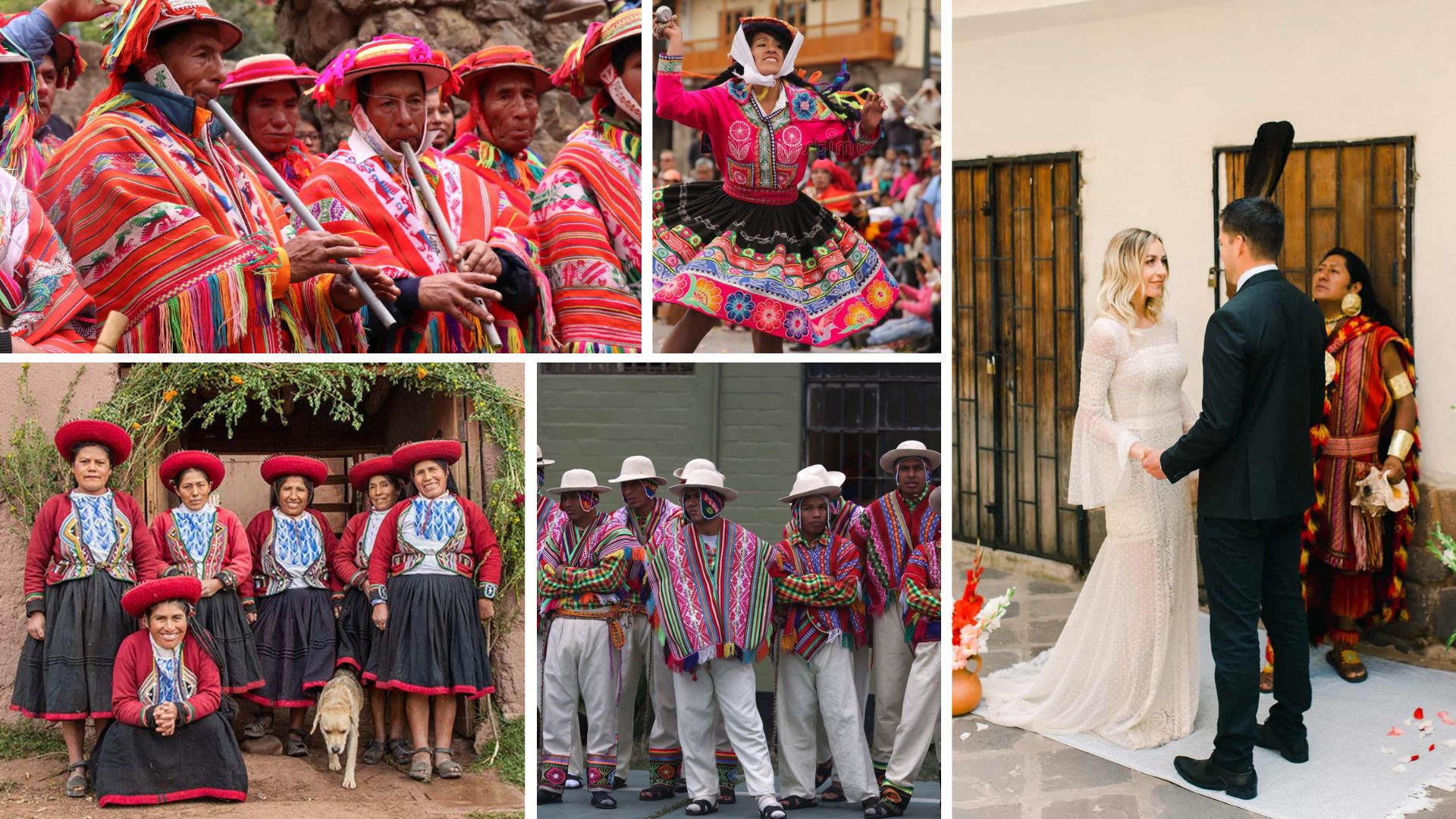
Peruvian clothing, especially in rural areas, is known for its vibrant colors and intricate designs. Wool from alpacas is widely used to make warm and soft clothing, such as ponchos, scarves, and chullos. Women often wear polleras, colorful skirts, paired with embroidered blouses and shawls. Traditional clothing in Peru serves not only a practical purpose but also as a cultural identifier, with different regions displaying unique patterns and colors. These garments are particularly prominent during festivals and special occasions, symbolizing pride in cultural heritage.
Peru Food
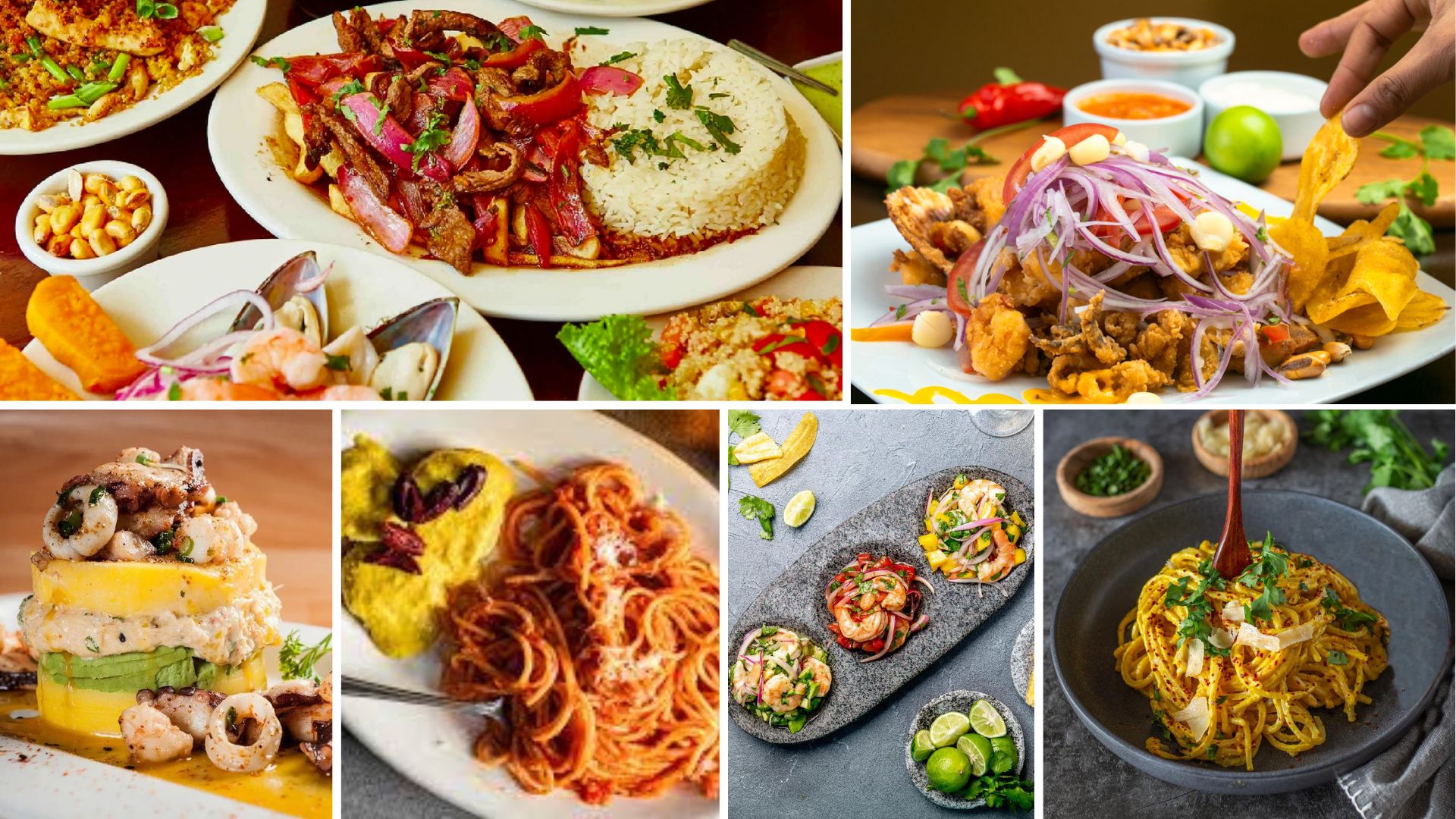
Peruvian cuisine is a blend of indigenous ingredients and global influences, offering rich and diverse flavors. Signature dishes like ceviche, a raw fish marinated in lime juice, and lomo saltado, a stir-fry combining beef and vegetables, highlight Peru’s culinary fusion. The country is known for its vast variety of potatoes and grains like quinoa, staples of traditional dishes. The Pisco Sour, made from Peru’s national spirit, Pisco, is a popular drink. Peruvian cuisine is celebrated worldwide for its unique flavors and cultural significance.
Peru Arts and Crafts
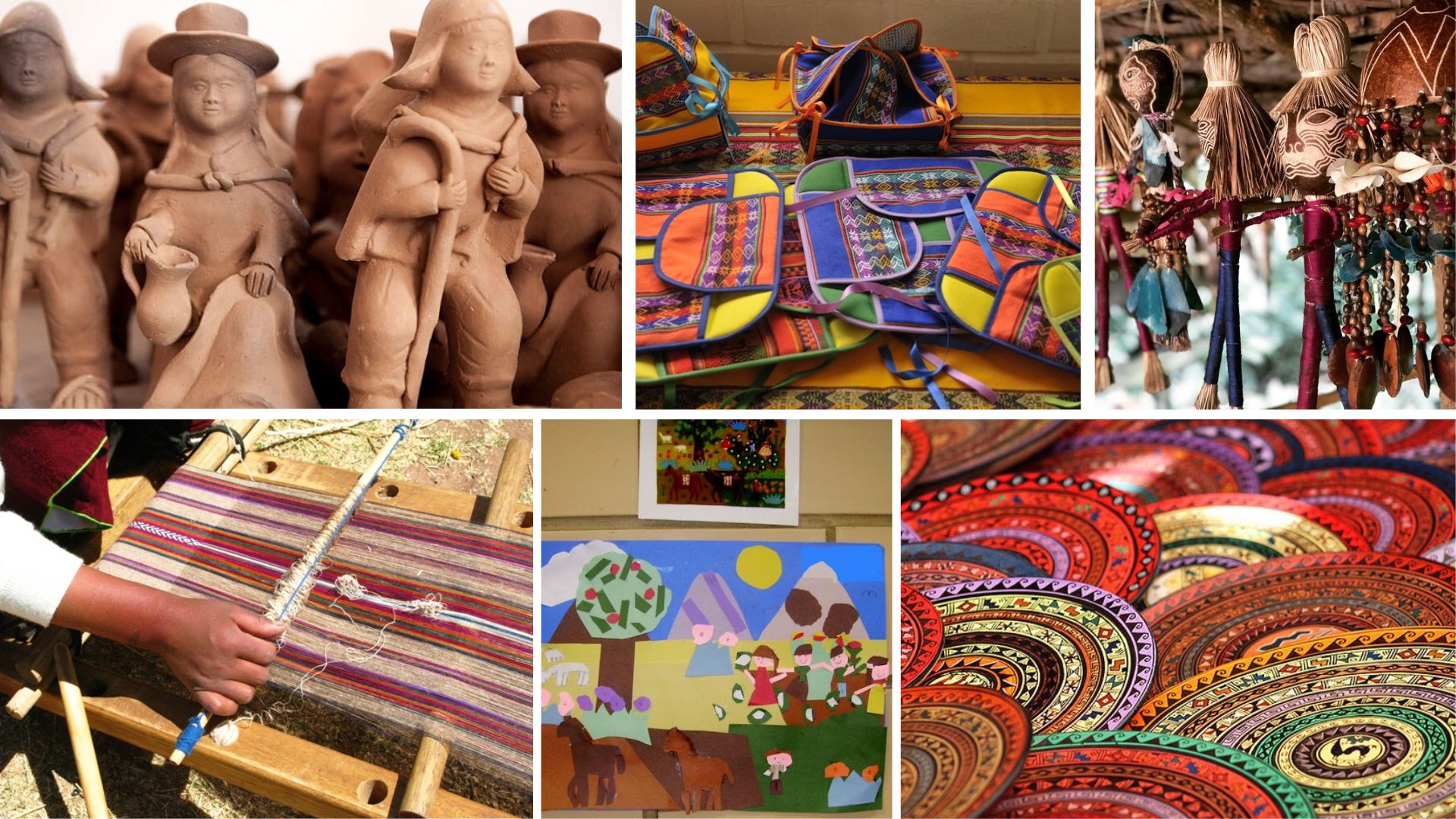
Peru boasts a rich tradition of arts and crafts, particularly in textile weaving, pottery, and metalwork. Textile weaving is a significant art form, with vibrant colors and intricate patterns reflecting regional traditions. Pottery and ceramics often feature designs inspired by ancient cultures, while silver and gold jewelry carry traditional symbols from the Inca and Moche civilizations. Mate burilado, the art of engraving gourds, is another popular craft, creating decorative objects that tell stories of Peru’s past. These crafts are integral to Peru’s cultural heritage.
Peru Film Industry
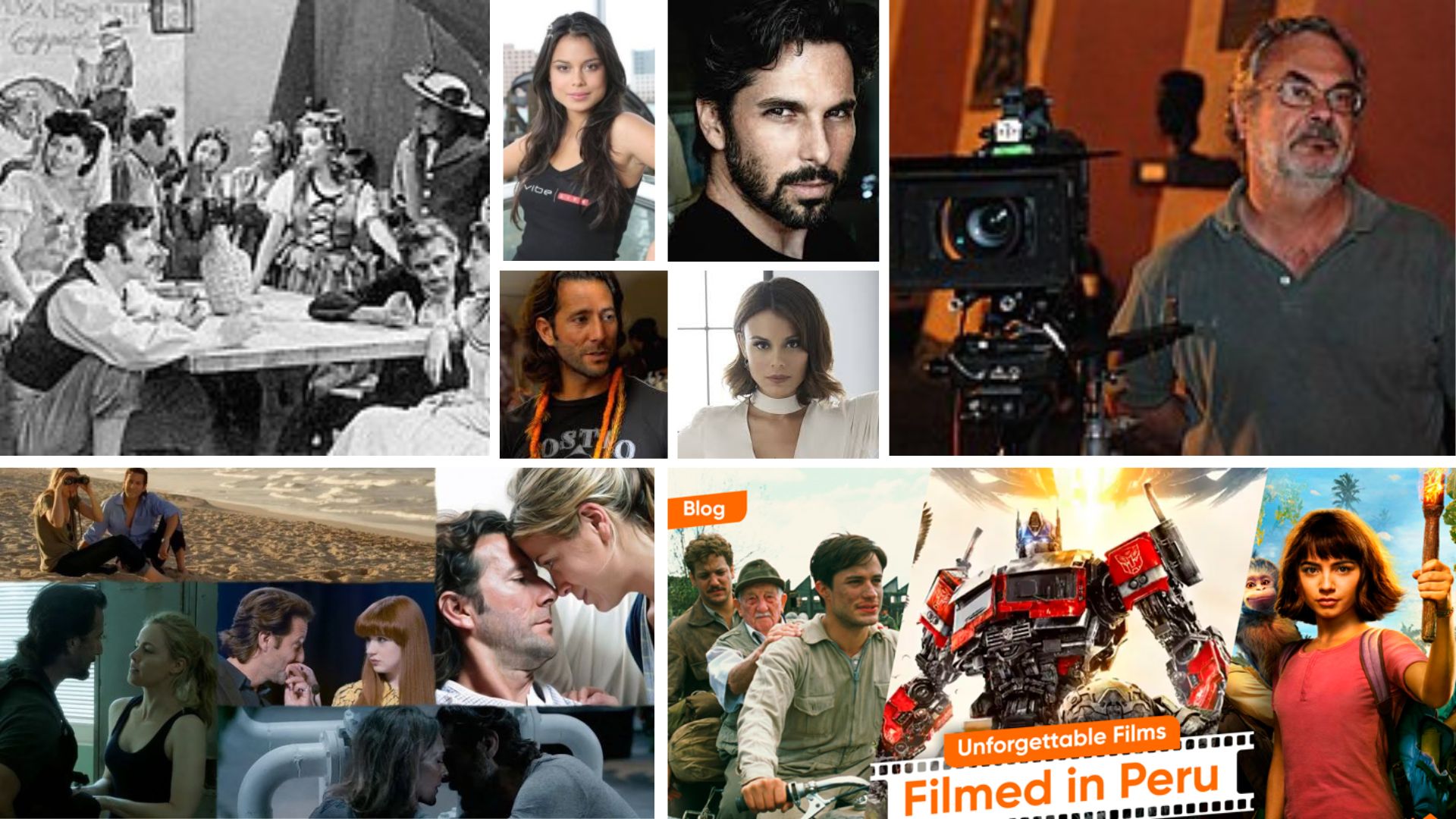
Though relatively small, Peru’s film industry is gaining recognition for its focus on indigenous life and social issues. Films like "La Teta Asustada" (The Milk of Sorrow) and "Madeinusa" address themes of trauma, identity, and tradition. Claudia Llosa, one of Peru’s leading filmmakers, has brought international attention to the country’s cinematic scene. Despite limited funding, Peruvian filmmakers continue to explore the country’s rich cultural and social landscape, with independent festivals providing platforms for emerging talent.
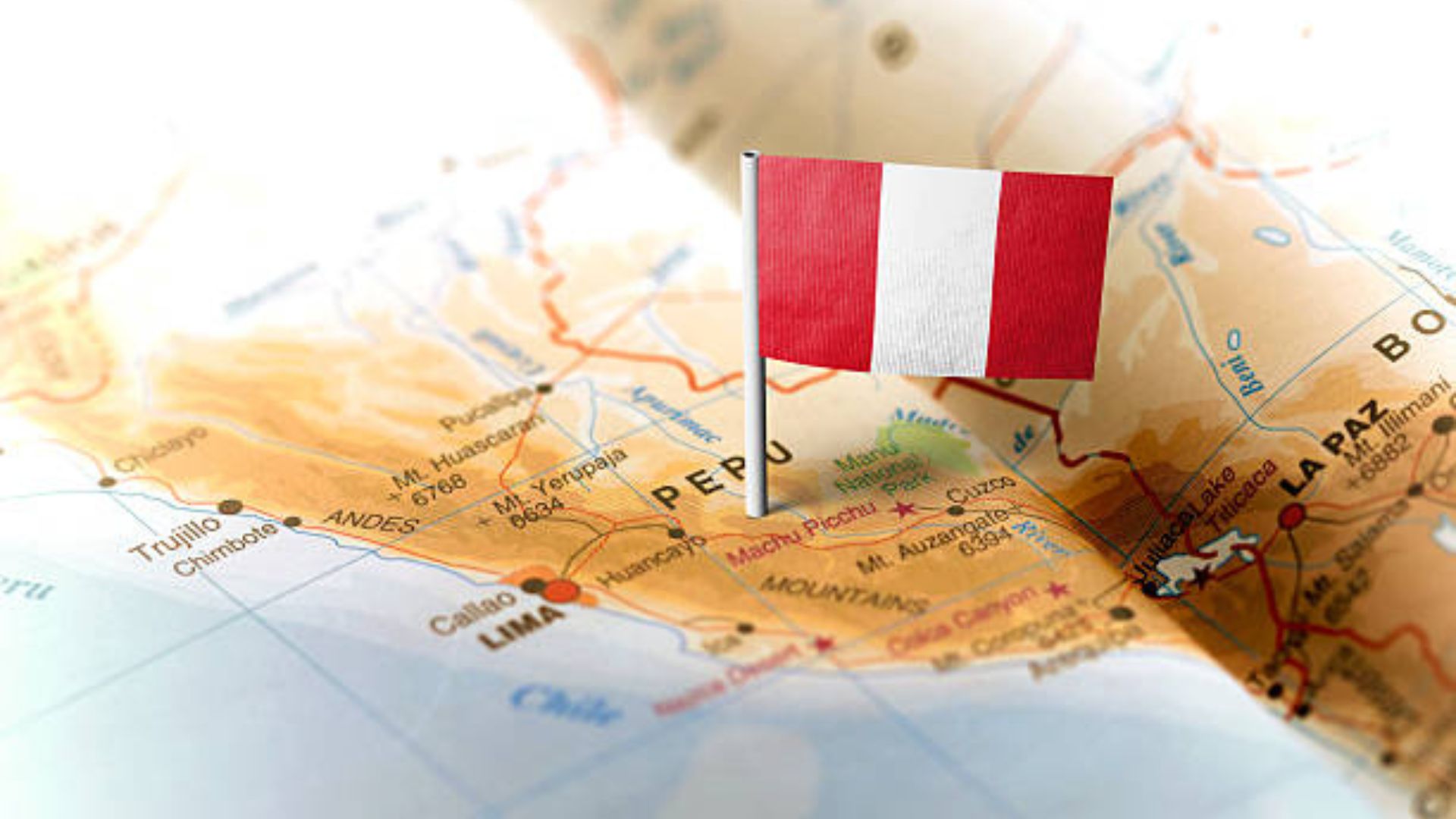
Peru Economy
Peru’s economy is one of Latin America’s fastest-growing, driven by its natural resources, including gold, copper, and natural gas. Mining plays a significant role, though it also brings environmental and social challenges. Agriculture is another key sector, with coffee, avocados, and quinoa among the top exports. Tourism, particularly to sites like Machu Picchu, contributes significantly to the economy. Despite growth, Peru faces challenges like poverty and inequality, especially in rural areas, which the government continues to address.